
Clinical Fellows/Therapists
The therapists at the MPSI Psychotherapy Center are taking part in a one- or two-year clinical fellowship. Each clinical fellow is at least a masters-level mental health practitioner working toward licensure or a mid-career licensed psychotherapist deepening their clinical skills. All clinical fellows receive intensive supervision, training, and consultation to support the therapy that they provide.
Haley Bennett
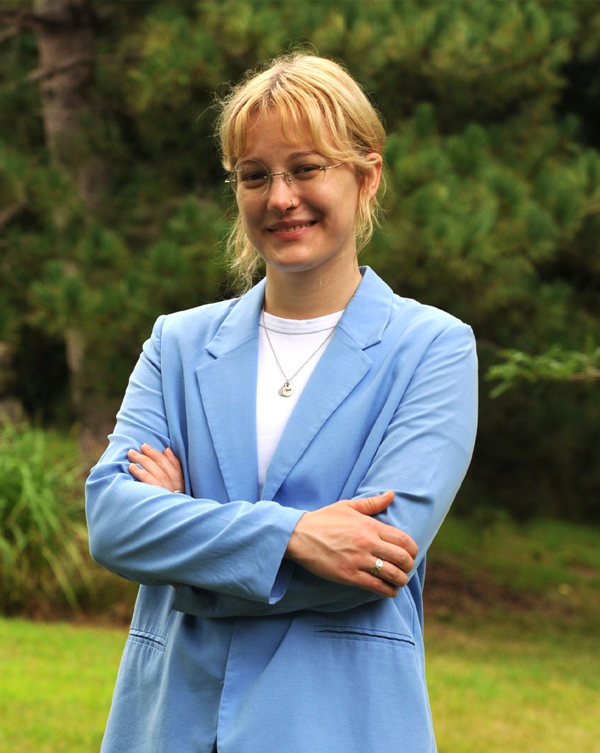
Haley Bennett is a student in the Counseling and Psychological Services, M.A. program at St. Mary’s University of Minnesota. She has prior experience working with disordered eating and attachment issues. She prioritizes trauma-informed care, and believes in equitable and dignified treatment for diverse bodies. Haley takes an integrative approach to psychotherapy, using concepts from narrative and psychodynamic theories with concrete dialectical and cognitive behavioral interventions. She believes therapy is about detangling threads of experience and identity to begin weaving a life that feels true and meaningful to you.
Alya Bohr
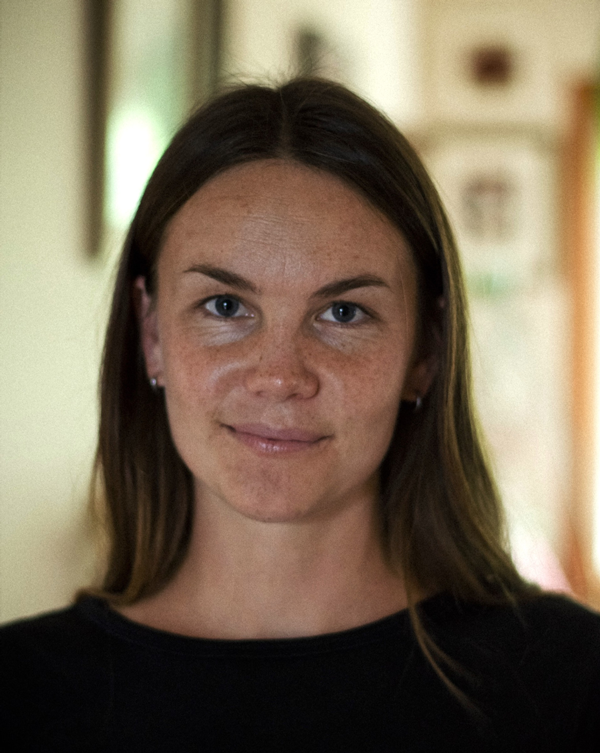
Alya is working towards her MSW at the University of Minnesota. She sees therapy as a space to explore the experiences, feelings, and patterns that simultaneously make us who we are and also constrain us. Within a therapeutic relationship, Alya believes that overwhelming experiences can become more tolerable, and that it is possible to access feelings, wishes, and fears that are otherwise hidden or hard to bear alone. Trained in social work with a background in political theory, she is attentive to the ways that political forces affect our intimate experiences, and believes therapeutic work is connected to collective life. By talking together, she hopes you can come to feel freer in yourself, in your relationships, and in the world.
El Corcoran
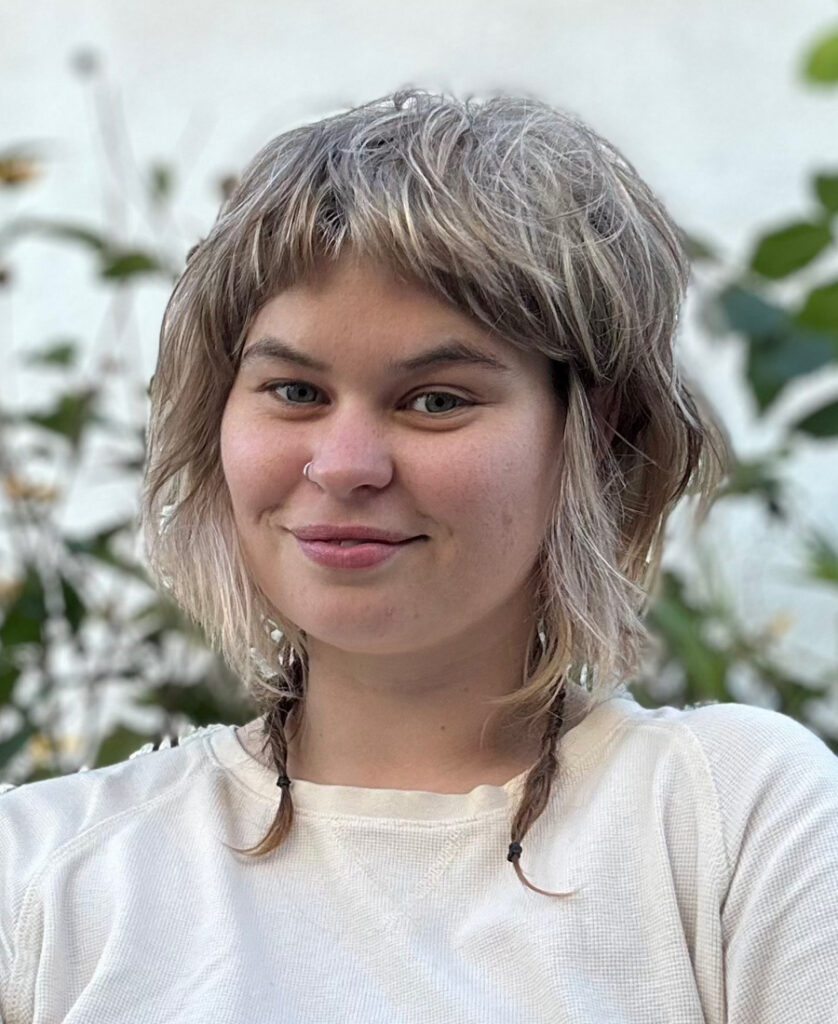
El Corcoran (they/them) is a second-year MPSI fellow. Having graduated with an MSW from Smith College School of Social Work, El integrates academic, lived and clinical experiences to create a client-centered and collaborative therapeutic environment. El holds anti-oppression and intersectionality at the forefront of their work. Their clinical experience involves working with adolescents and families in a school setting as well as psychoanalytically with adults at the MPSI psychotherapy center. El believes that meaning-making is not simply a luxury, but rather a vital role in the everyday experience and hopes to extend their therapeutic work as a part of that process for their clients.
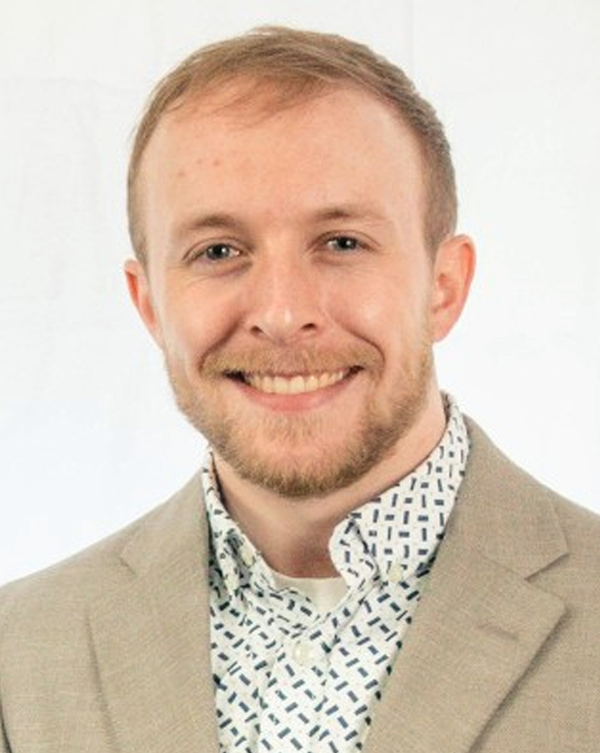
Trevor Flick
Trevor Flick earned his master’s degree in clinical psychology from Minnesota State University in 2024 and is currently pursuing his doctorate in clinical psychology at Augsburg University. He has worked in a variety of community support settings and outpatient mental health clinics, providing individual therapy to adolescents and adults experiencing depression, anxiety, relationship difficulties, and trauma. Trevor’s approach is informed by his educational background and personal interests in culture, religion, spirituality, and philosophy, including the ways these areas shape our identities, relationships, and experiences. He believes in creating a collaborative and nonjudgmental environment where clients’ unique identities, experiences, and beliefs are valued. Through thoughtful exploration and open conversation, Trevor works with clients to better understand the patterns influencing their lives, navigate difficulties, and move toward.
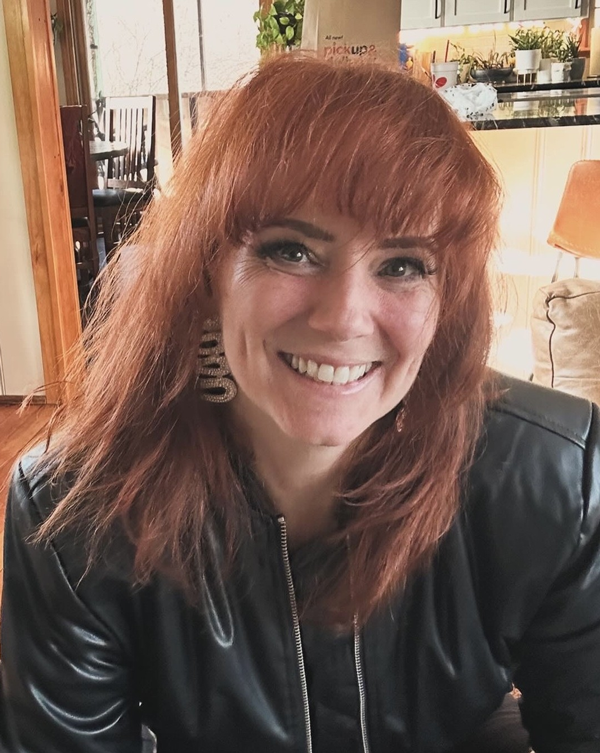
Kat Knudson
Kat Knudson is currently completing a master’s degree in clinical social work at the University of Minnesota. A former children’s book author and classroom teacher, she spent over twenty years working in education before changing careers to work with adults. Kat’s work with adults has included leading psychoeducation groups for depression, anxiety and OCD, as well as individual client work focused on meaning-making, archetypal patterns, and life transitions. She takes an intuitive approach to therapy that blends contemporary theory with principles rooted in creative expression and somatic work.
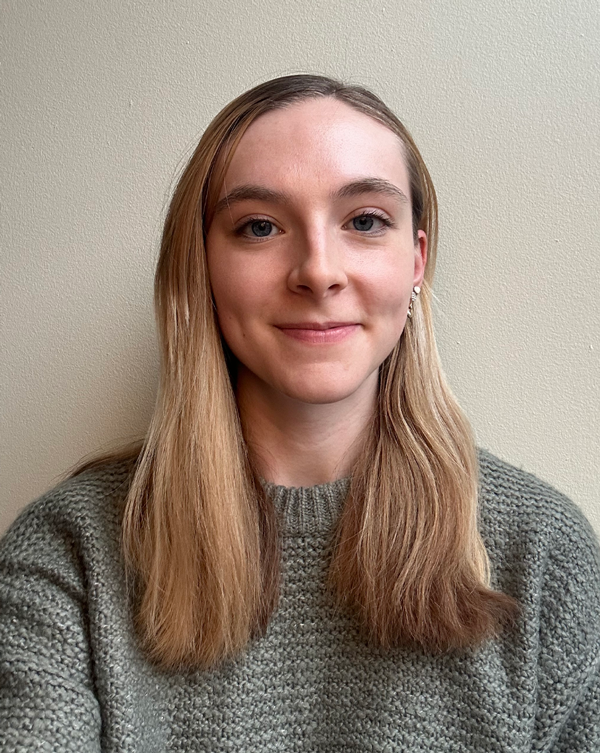
Alison Lindstrom
My name is Alison Lindstrom and I am a Clinical Psychology Doctoral Student at Augsburg University. In my time as a student and clinician, I have worked with clients across the lifespan and in various settings, including hospitals, schools, and correctional environments. I have the most experience working in cognitive, neurodivergent, and neurodevelopmental domains, and in the realm of trauma.
My goal is to create a therapeutic space where you can be your authentic self, explore your strengths, and feel freedom to imagine new possibilities. Through a psychodynamic framework, I aspire to help you navigate your past, empathize with your present, and work together to create a more fulfilling future for you.

Jennifer Loveland
Jennifer works from a psychodynamic and psychoanalytic perspective while also maintaining an abiding interest in Jungian and depth psychology. She sees therapy as a place to slow down and become curious about ourselves within a nonjudgmental and deeply attuned relationship. Jennifer is interested in the whole person and in what lies beneath the surface of our struggles, including the unconscious feelings, patterns, and ways of relating that can shape our lives without our fully realizing it. She views the therapeutic relationship as the foundation of the work and a place where these patterns can gradually be understood and experienced in new ways. Jennifer brings warmth, curiosity, and careful attention to each person’s individual experience, allowing the work to unfold at a pace that feels meaningful and respectful. She works with adults, adolescents, and couples navigating depression, anxiety, trauma, relationship difficulties, life transitions, and questions of identity and meaning.
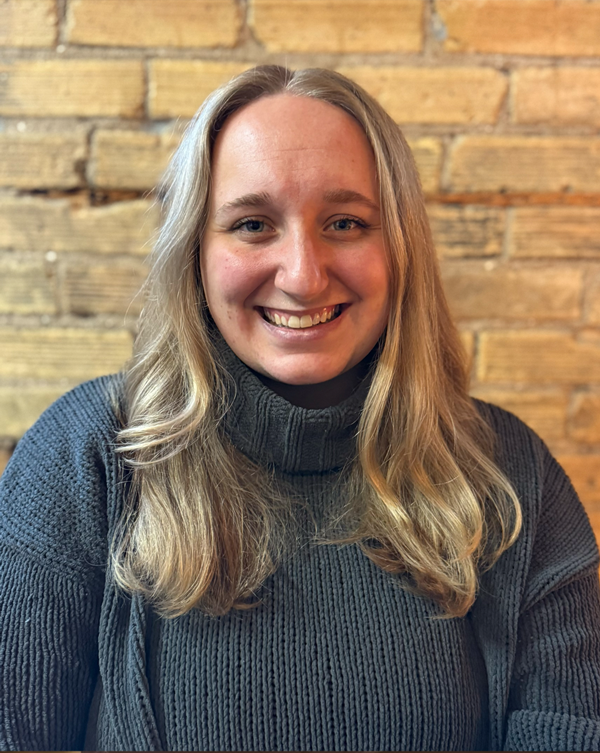
Anna Muntifering
Anna is pursuing her doctoral degree in Clinical Psychology from Augsburg University, Minneapolis. She has experience working with and providing support to adults who experience eating disorders and other co-occurring mental health disorders. Anna has interests in providing psychoanalytic therapy and relational therapies as they create the ability to navigate the depth and complexity of individuals’ lived experiences. Anna leads with curiosity, warmth, balance, openness, and cultural-humility. Anna prioritizes meaning-making in the therapeutic space, which she believes comes from building a collaborative, empathetic, and client-centered therapeutic relationship. Outside of her studies and client work, Anna enjoys exploring different small-owned businesses and coffee shops.

Garrett Obryski
I approach the world, and therapeutic work, in a relational way: exploring our relationship to ourselves, the people around us, and the global society with which we interact each day. Blending more than 15 years of national and international experience across the arts, education, leadership development, and civic sectors, I am joining the staff at the MPSI Psychotherapy Center as a Fellow while completing a Master of Social Work at the University of Minnesota. My aim is to create a container that supports individuals and couples in navigating possibilities that relieve suffering and invite in happiness. I am committed to exploring the intersections of critical consciousness, psychoanalytic theory, and voice and breath work. This may include understanding our relationship to power, authority, race, sexuality, gender, education, class, and religion, and working to uncover dynamics from our histories that emerge in the present. I hold degrees from the Eastman School of Music and the Harvard Graduate School of Education, with further therapeutic training from the Existential-Humanistic Institute (CA), the Tavistock Institute of Human Relations (London), the Roy Hart Centre (France), the Full Voice Method (Minneapolis), and the Minnesota Forensic Hospital (St. Peter).
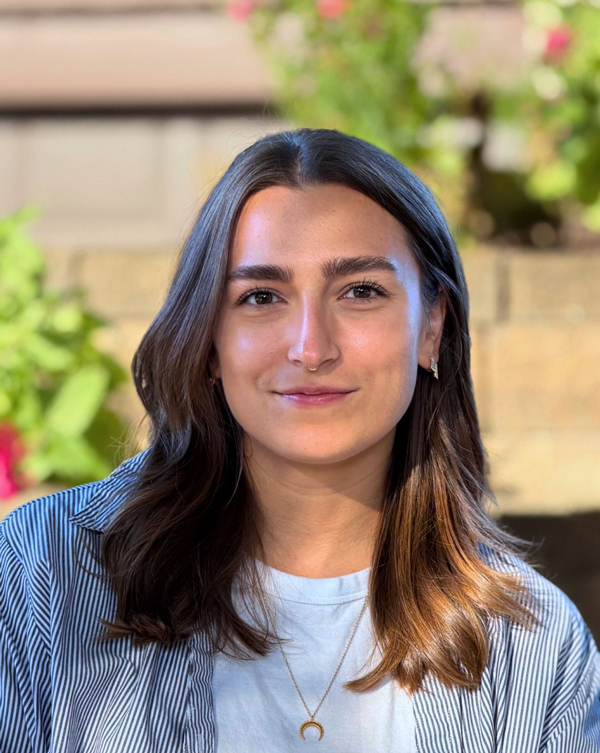
Anna Stepanova
Anna Stepanova is currently pursuing a Doctorate in Counseling Psychology at Saint Mary’s University of Minnesota. She connects her interest in psychoanalytic psychotherapy to her previous studies in philosophy and microbiology. Her background has instilled an appreciation for the depth and nuance of every being. Anna believes one path to those depths can begin through exploration of how echos of our past influence our present. In sessions, Anna will help you notice the recurring themes and patterns in your life, offering an hour to connect with yourself in an otherwise busy world. The process of self-discovery isn’t always easy, but it is worthwhile, because it helps us make meaning of where we’ve been and gives us the freedom to choose where we go next.

Sabina Rogers
Sabina is pursuing a Master of Social Work at Smith College. She draws on psychoanalytic and trauma-centered approaches to create a reflective and supportive environment where clients can explore connections between past and present experiences. Sabina works with people struggling with anxiety, depression, trauma, life transitions, and related difficulties. She sees therapy as a collaborative process that balances insight, inquiry, and compassion. She listens with an open mind and heart, with respect for the intuition each individual brings, and believes that with sustained curiosity, therapy can open up space for living a more meaningful and engaged life.
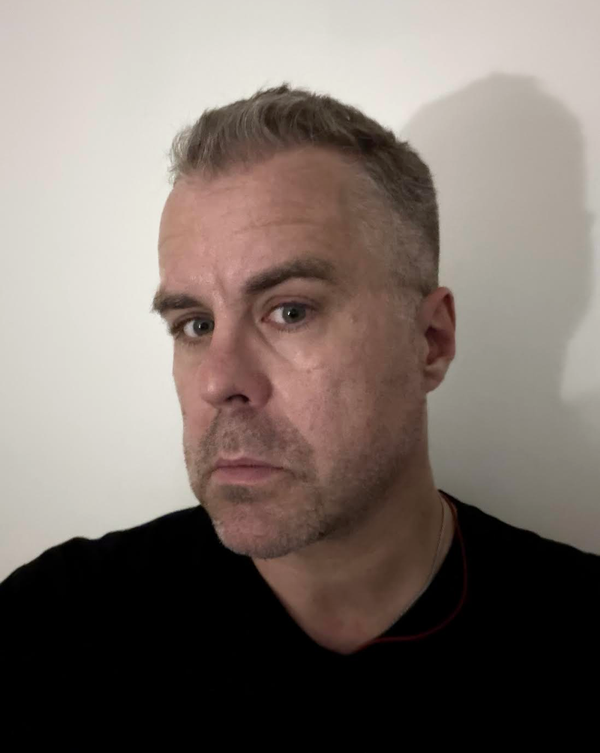
Adam John Waterman, PhD
Adam comes to the MPSI Psychotherapy Center after a twenty year career in higher education during which he mentored students from a wide range of social and cultural backgrounds in the United States and the Middle East and North Africa, Algeria, and Lebanon. He has extensive experience working with symptoms of depression, anxiety, and trauma, and has long been committed to work with immigrant and refugee populations, as well as individuals who are LGBTQIA+. He offers an insight-oriented approach to psychodynamic work, helping to identify and transform maladaptive patterns through considerate attention to those places where the nuances of personal histories intersect with the dynamics of social relations.